Remodel scar tissue at depth
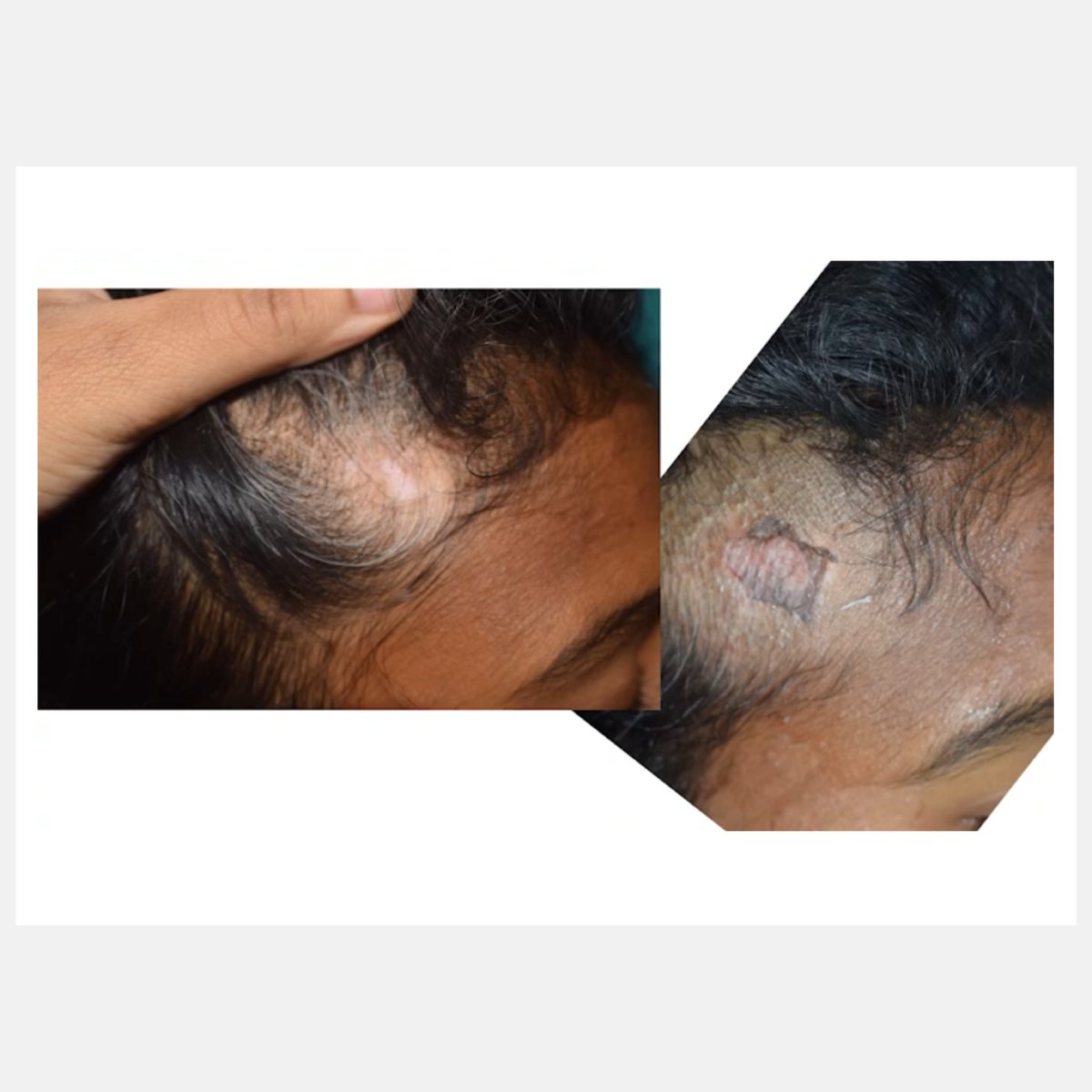
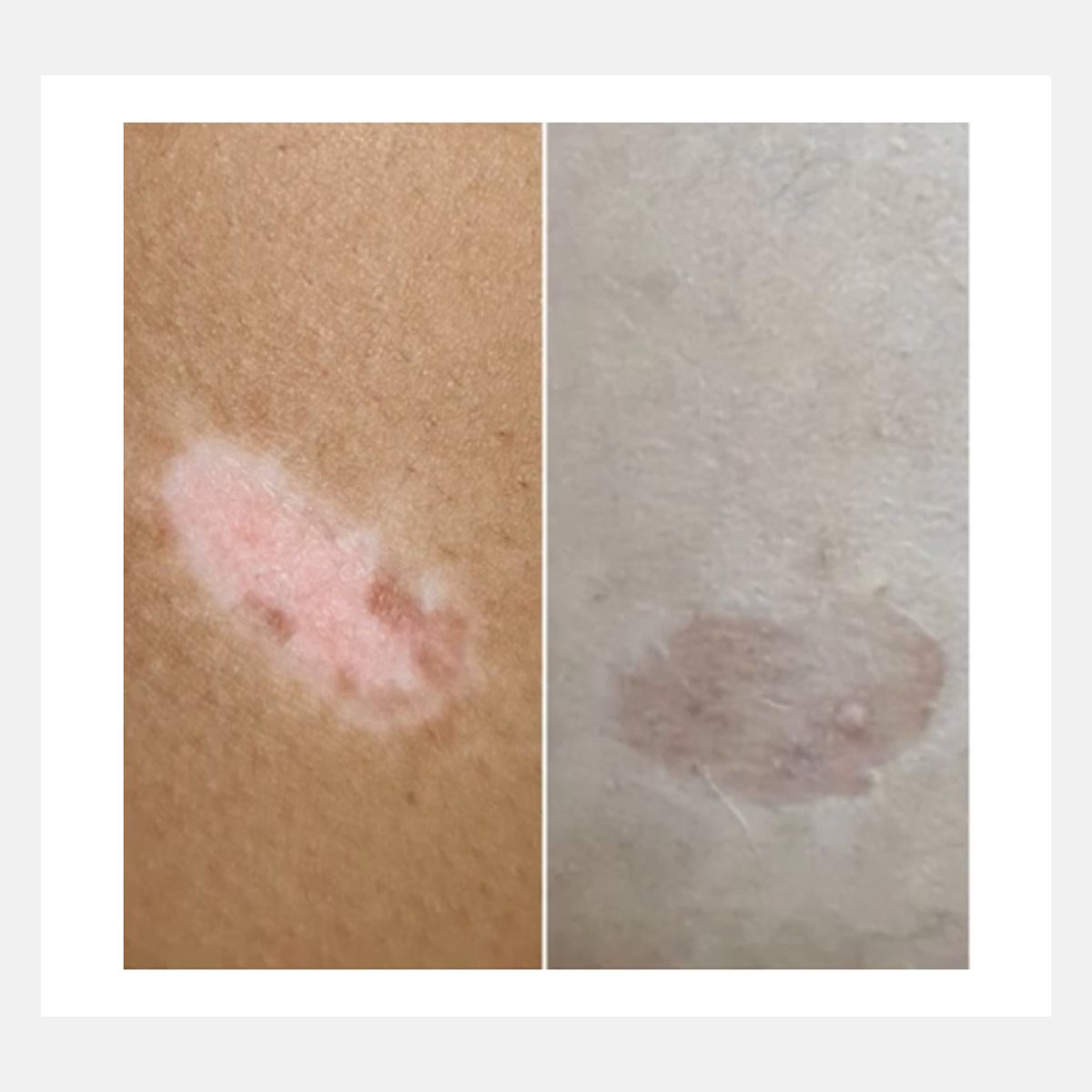
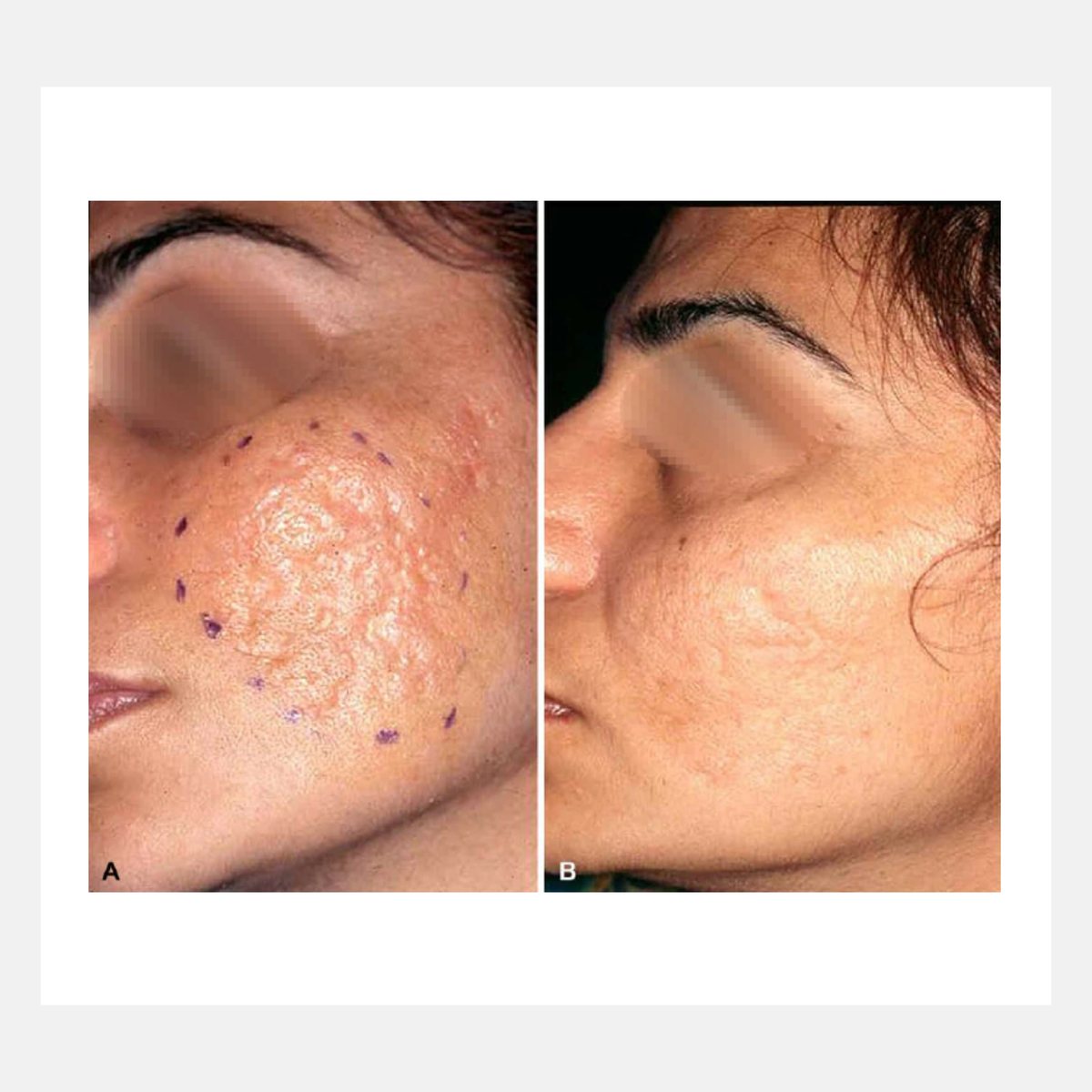
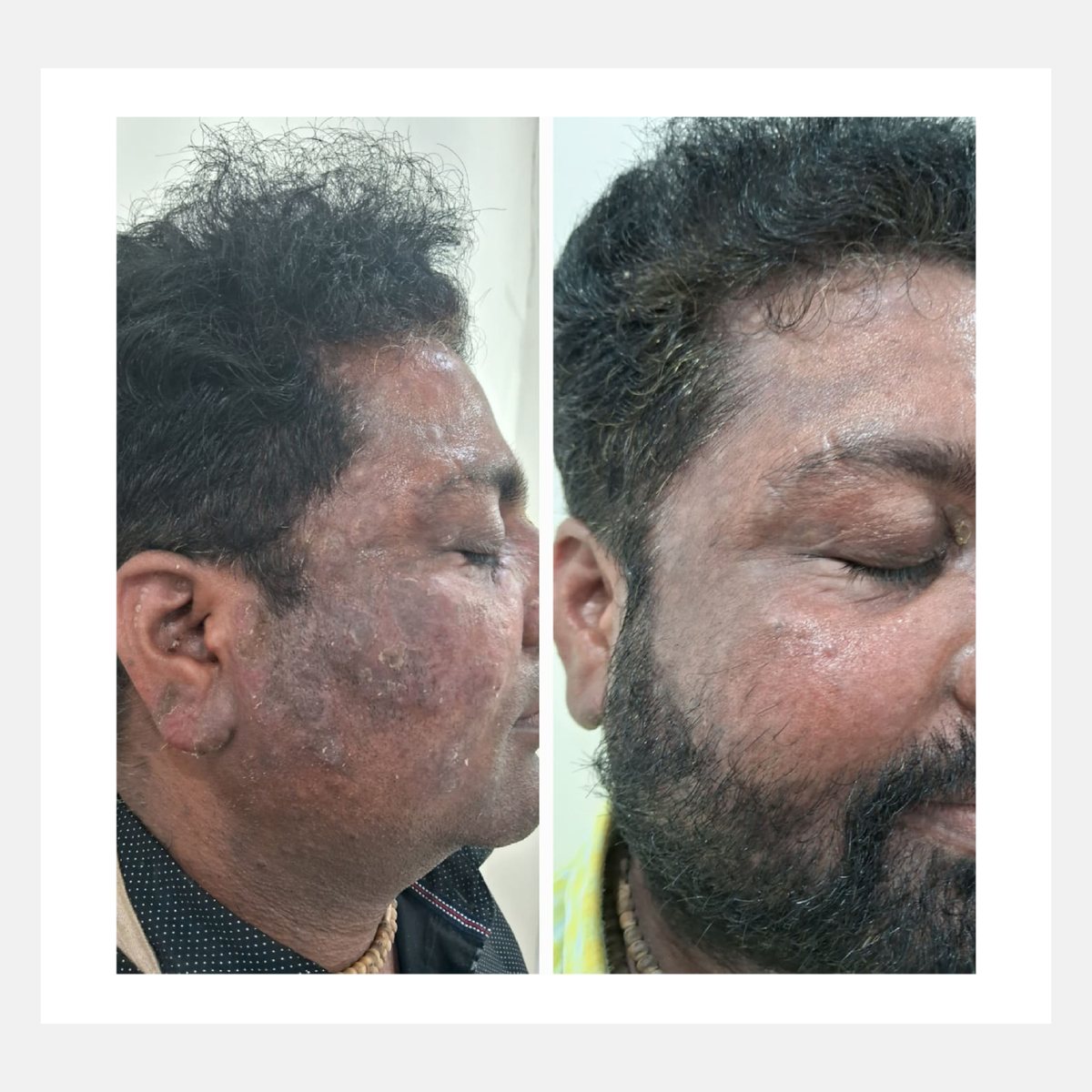
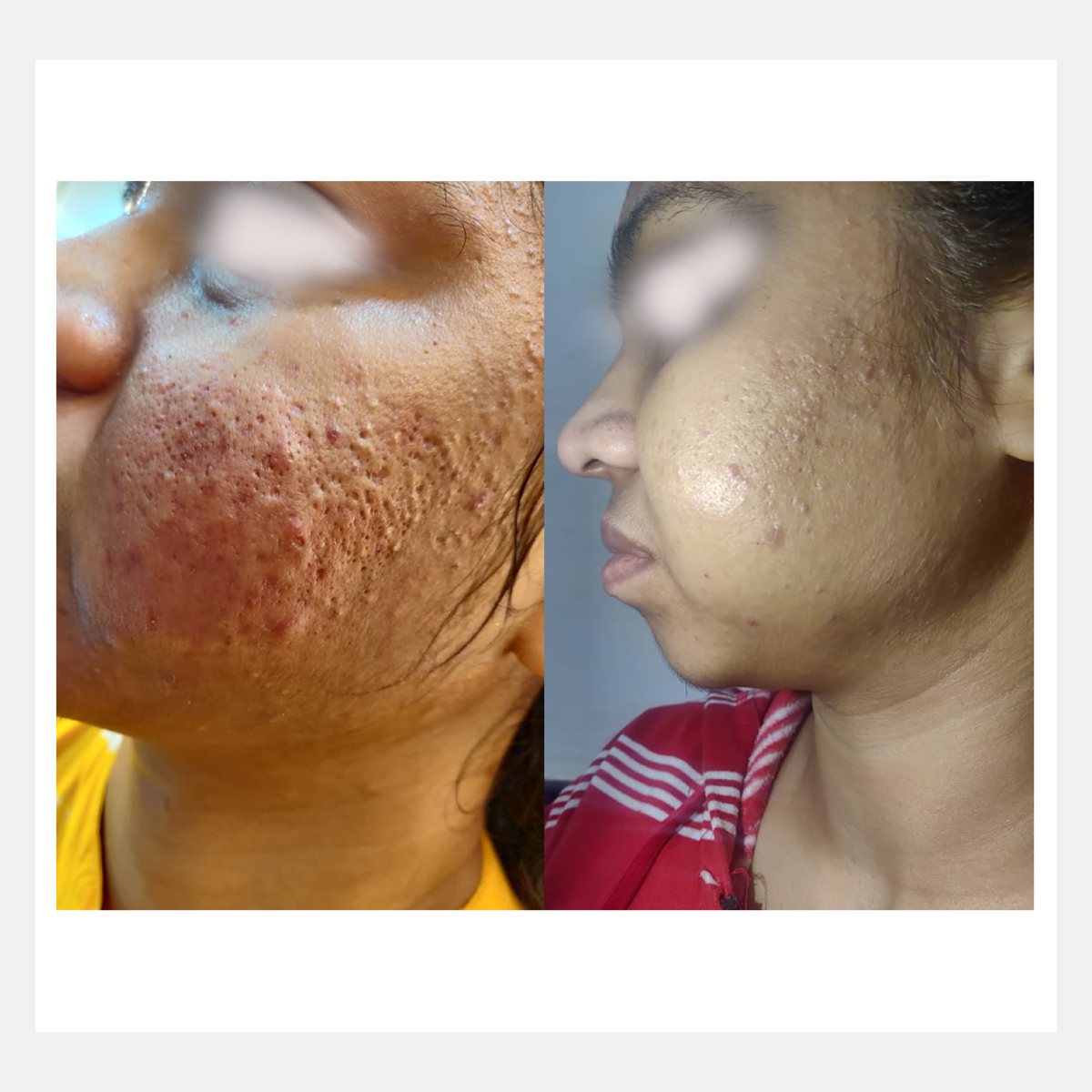
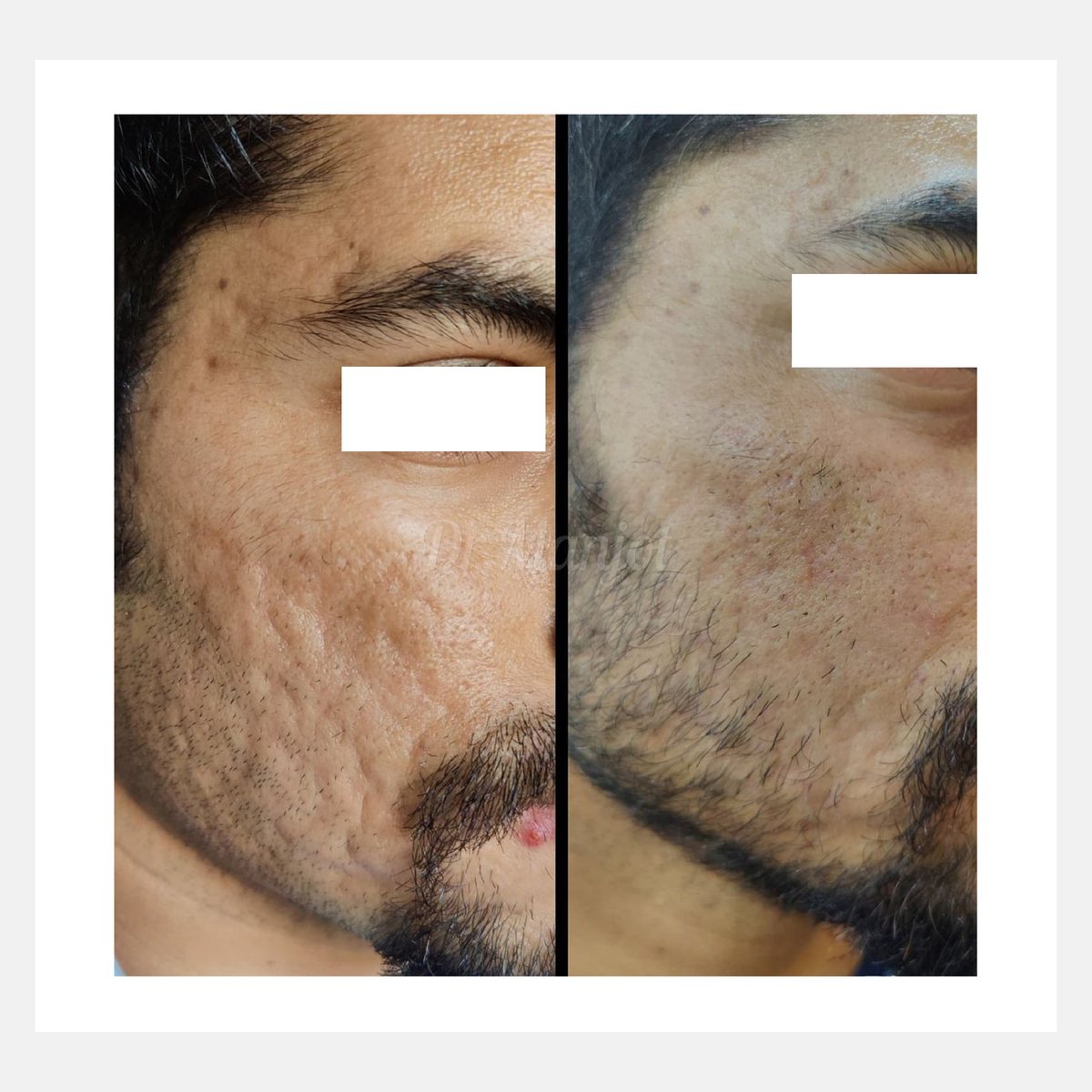
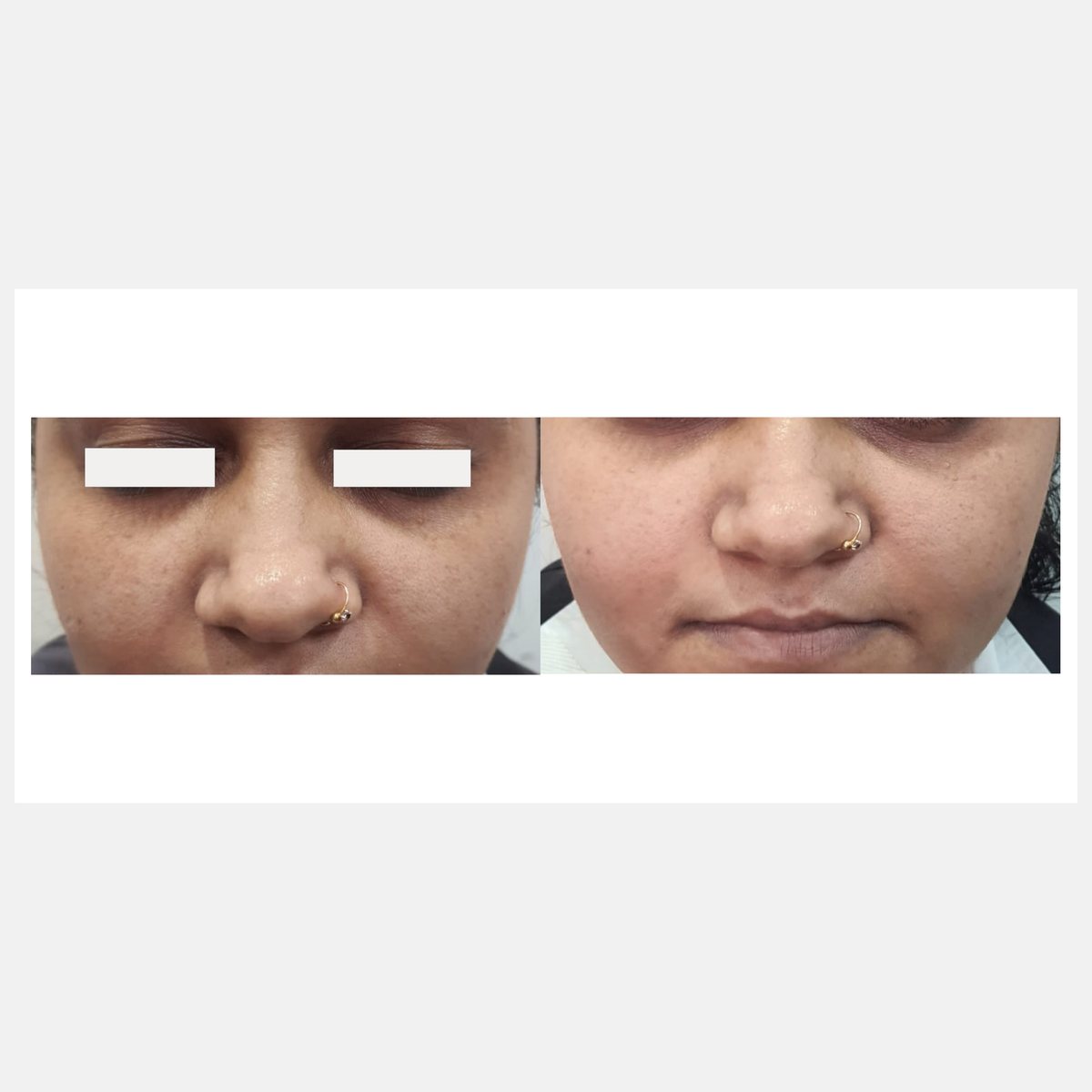
Scar resurfacing creates controlled micro-injury in scar tissue, triggering new collagen and elastin formation. Fractional delivery leaves surrounding skin intact for faster healing while improving atrophic, hypertrophic, and acne scars.
Acne scar revision
Ice-pick, boxcar, and rolling scar protocols.
Fractional delivery
Columns of ablation with intact bridges for healing.
Custom depth
Adjust penetration to scar type and skin tolerance.
Combination care
Pair with RF, subcision, or topicals for optimal results.
At a glance
How the treatment
works
Scar classification
Grade scar type, depth, and skin reactivity.
Modality selection
Choose CO₂, erbium, or RF microneedling approach.
Numbing & prep
Topical anaesthesia and antiviral prophylaxis if indicated.
Resurfacing pass
Deliver fractional or full-field energy to scar zones.
Healing protocol
Soothing dressings, SPF, and staged follow-up.
Equip your practice
Primelaze supplies devices, hands-on training, clinical protocols, and nationwide service support.
Book a demo →Clinical benefits
Common questions
Expect 3–7 days of redness and peeling depending on energy level. Social downtime is typically 3–5 days for moderate settings.
Significant improvement is achievable; deep ice-pick scars may need combination with TCA CROSS or subcision.
Most patients need 3–5 sessions spaced 4–8 weeks apart.
Lower energy, longer wavelengths, and careful parameter selection are required. Primelaze provides Fitzpatrick-specific protocols.