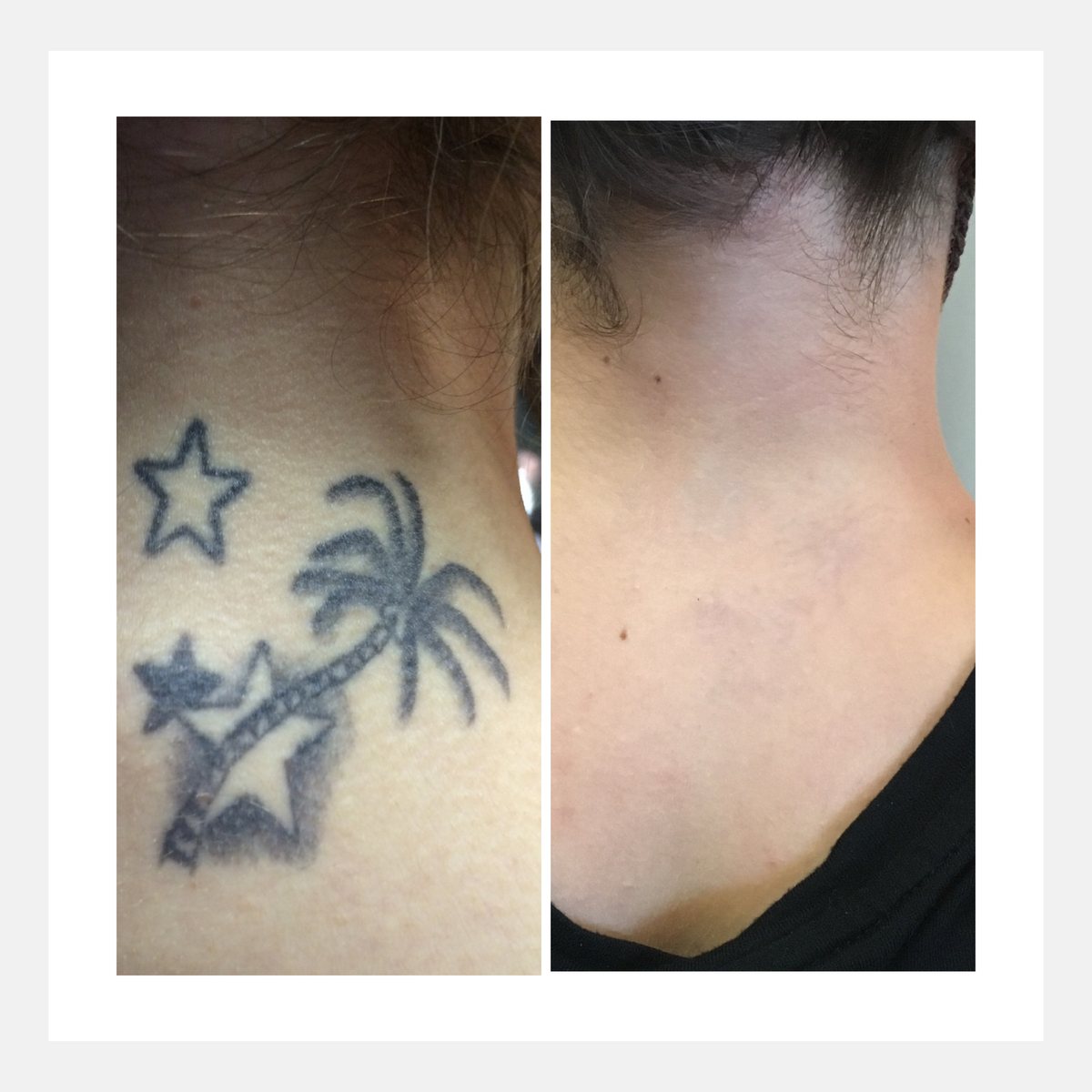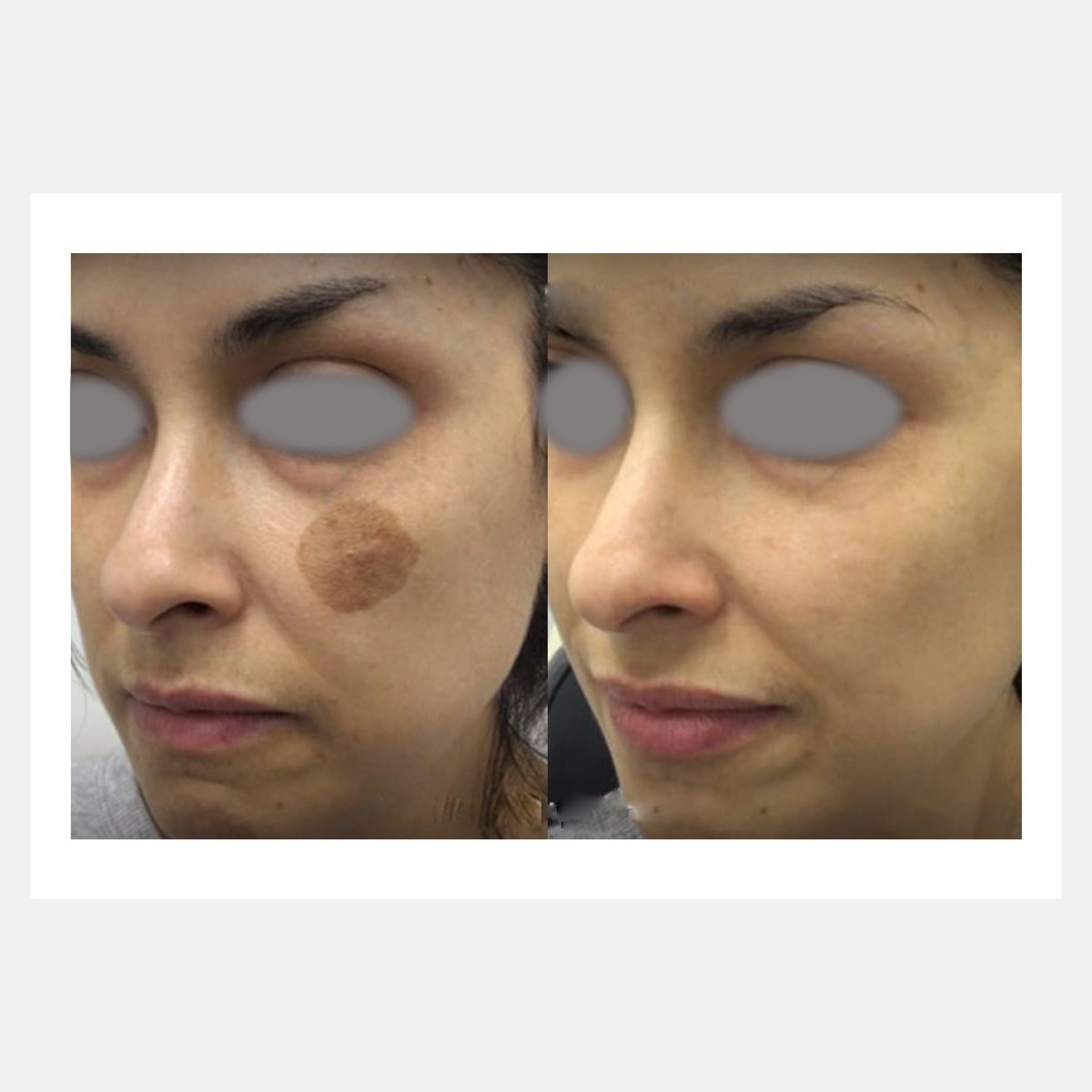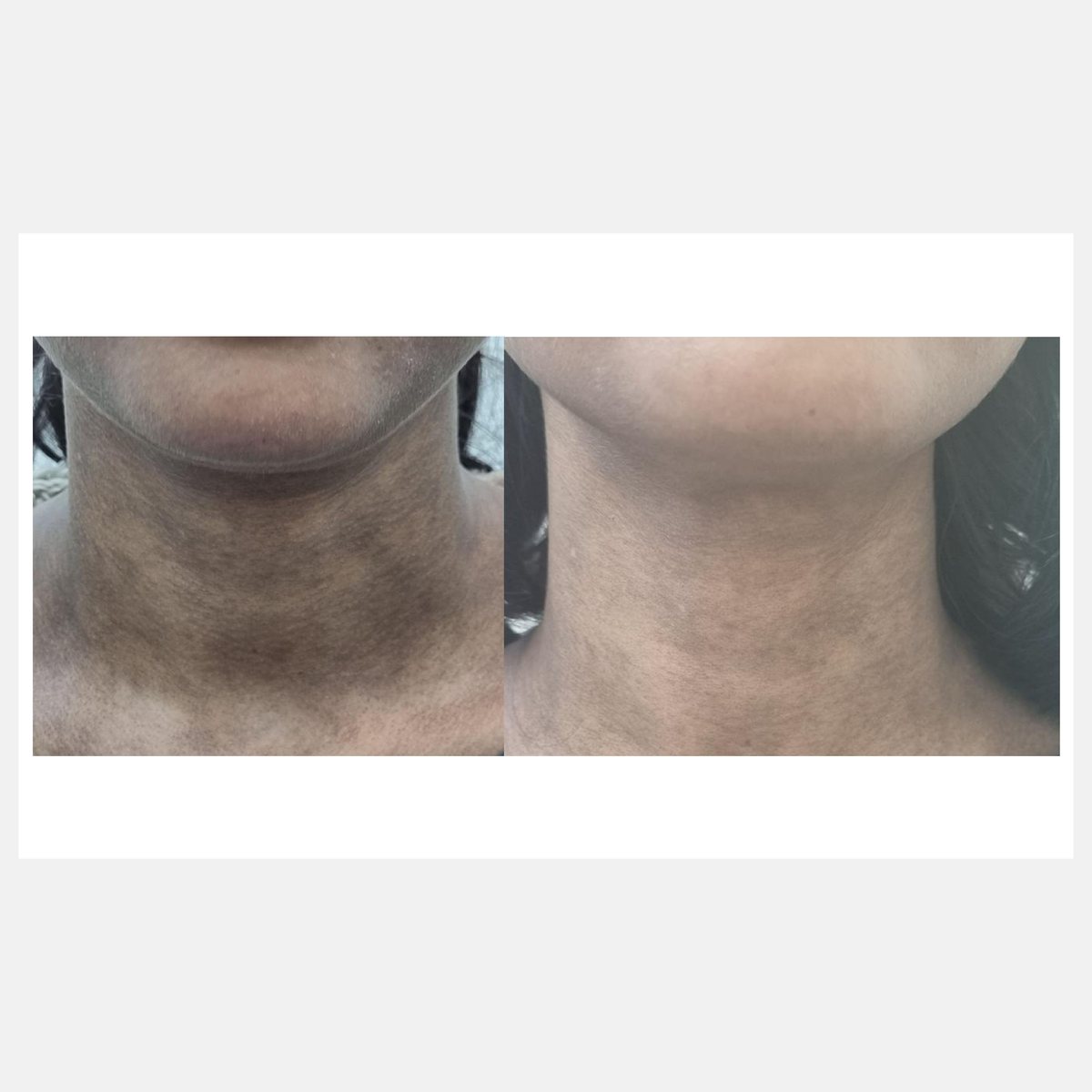
Pigmentation & Tattoo Removal

Treatment

Pigmentation & tattoo removal

Q-switched and picosecond laser platforms that fragment melanin and tattoo ink with precision — for clearer, more even skin tone.

Q-Switched Nd:YAGPicosecond LaserBiAxis QSMelasmaSun SpotsTattoo Ink1064nm532nmFractional HandpiecesIndian Skin SafeQ-Switched Nd:YAGPicosecond LaserBiAxis QSMelasmaSun SpotsTattoo Ink1064nm532nmFractional HandpiecesIndian Skin Safe
Overview

Target pigment with precision

Pigment and tattoo removal relies on selective photothermolysis — ultra-short pulses shatter melanin or ink particles so the body clears them naturally. The right wavelength and pulse duration depend on lesion depth, colour, and skin type.

Melasma & sun damage

Controlled energy for epidermal and dermal pigment.

Multi-colour tattoos

Switch wavelengths for black, blue, green, and red inks.

Safe on darker skin

Longer wavelengths reduce epidermal absorption risk.

Laser Toning & Carbon Peel

Improve skin tone & texture in all skin types.

At a glance

1064nm
Deep pigment & dark-colour tattoo
532nm
Epidermal pigment & red/orange/brown tattoo
4–8
Sessions avg
Low
Downtime
Step by step

How the treatment
works

01

Lesion assessment

Identify pigment depth, type, and Fitzpatrick skin type.

02

Wavelength selection

Select 1064nm or 532nm depending on pigment depth and tattoo colour.

03

Test patch

Confirm tissue response before full treatment.

04

Laser application

Deliver Q-switched or picosecond pulses.

05

Recovery plan

Sun protection and interval sessions for clearance.
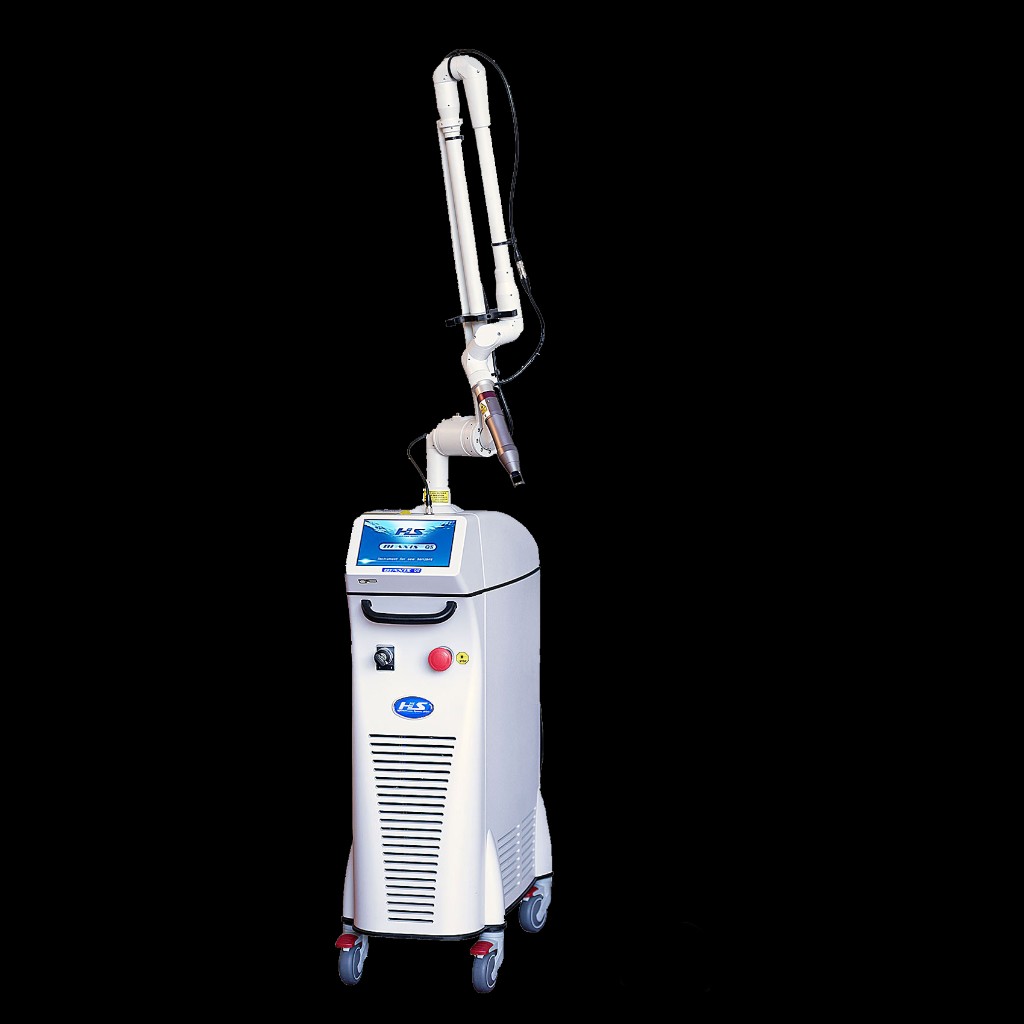
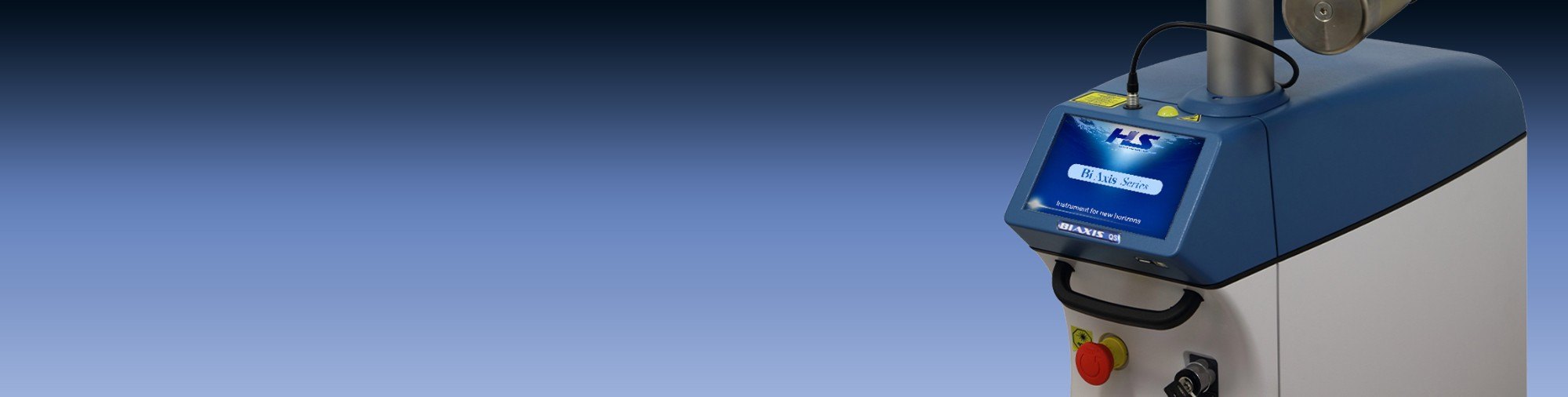
BiAxis QS Q-switched Nd:YAG laser for pigmentation and tattoo removal
For clinics

Equip your practice

Q-switched Nd:YAG & picosecond platforms with hands-on training, clinical protocols, and nationwide service support.

Book a demo →
Applications

Clinical benefits

A single Q-switched platform addresses a broad range of pigmentary and tattoo indications across all skin types.

Freckles & LentiginesSolar LentigoCafé-au-lait MaculesNevus of OtaABNOMTattoo RemovalLichen Planus Pigmentosus (LPP)Post-Inflammatory Hyperpigmentation (PIH)Periorbital & Perioral PigmentationMelasmaFreckles & LentiginesSolar LentigoCafé-au-lait MaculesNevus of OtaABNOMTattoo RemovalLichen Planus Pigmentosus (LPP)Post-Inflammatory Hyperpigmentation (PIH)Periorbital & Perioral PigmentationMelasma
FAQ

Common questions

How many sessions for tattoo removal?+

Amateur tattoos typically take 6–8 sessions to clear. Professional, multi-colour tattoos need more sessions depending on ink density and colour, spaced 6–8 weeks apart.

Can melasma be treated with laser?+

Yes, with conservative parameters and maintenance plans. Combination with topicals and strict sun protection is essential.

Is it safe on Indian skin?+

1064nm Nd:YAG is preferred for darker skin. Test patches and lower fluence reduce PIH risk.

What devices does Primelaze offer?+

BiAxis QS and picosecond platforms from trusted global manufacturers, with full clinical training.
Ready to start?

Speak with our team about devices, training, and protocols for pigmentation & tattoo removal in your clinic.

Request a demo →
Technology

Devices we use for pigmentation & tattoo removal

The platforms Primelaze recommends and fully supports for this treatment.

BiAxis QS Q-switched Nd:YAG laser
BiAxis QS
Q-switched Nd:YAG
View device →
BiAxis Pico picosecond laser
BiAxis Pico
Picosecond Laser
View device →

Clinical Results

Before & After

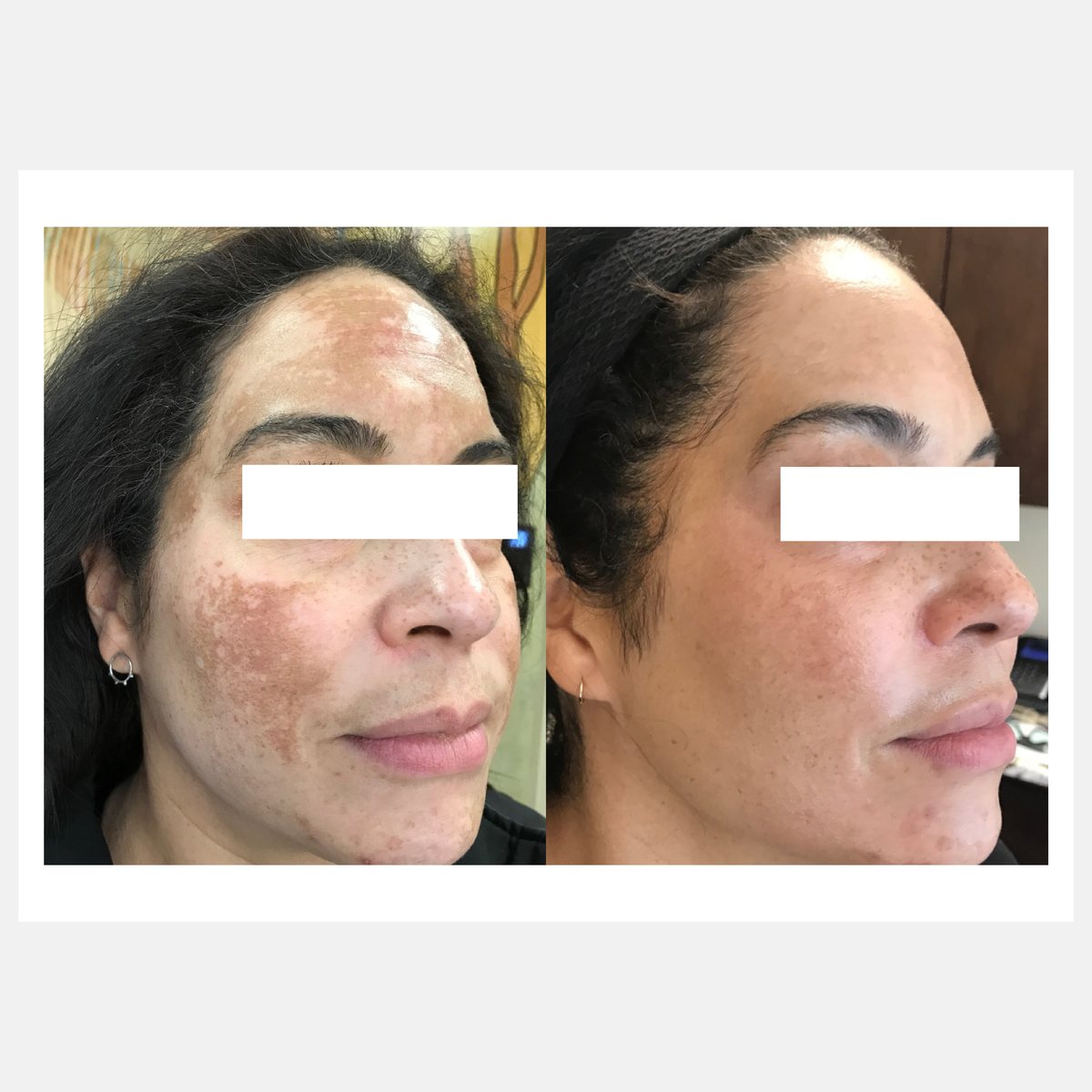
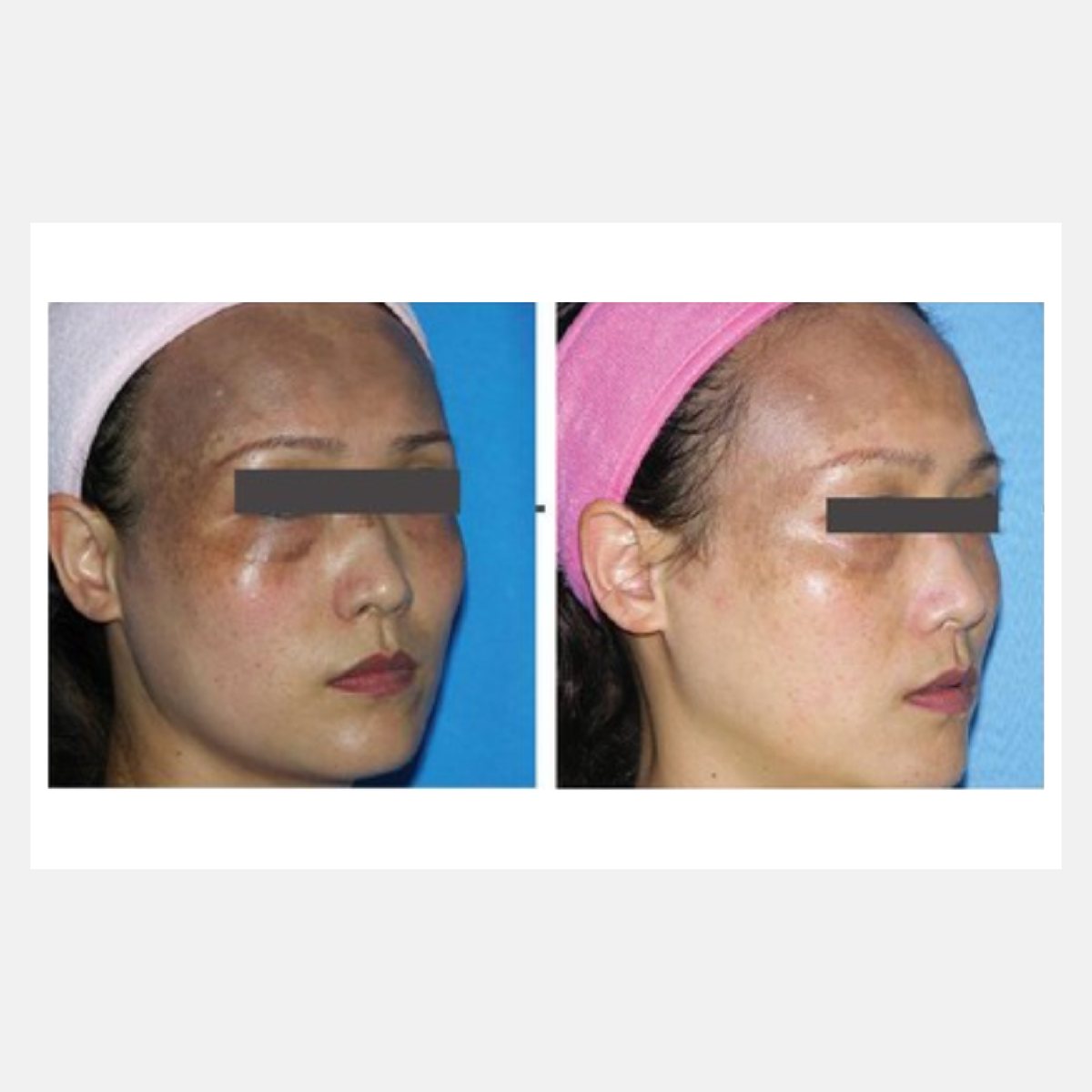
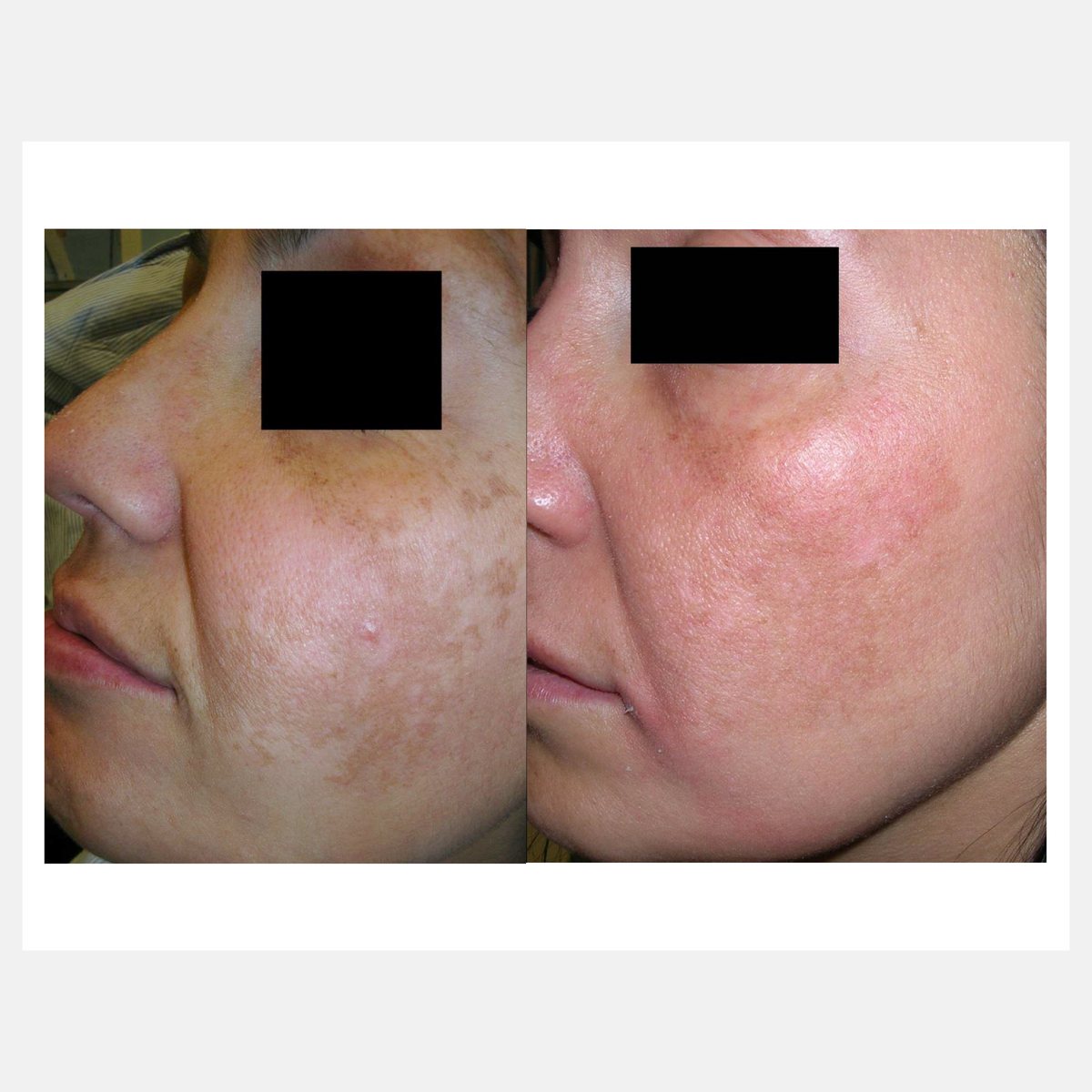
BiAxis before and after — Melasma
Melasma
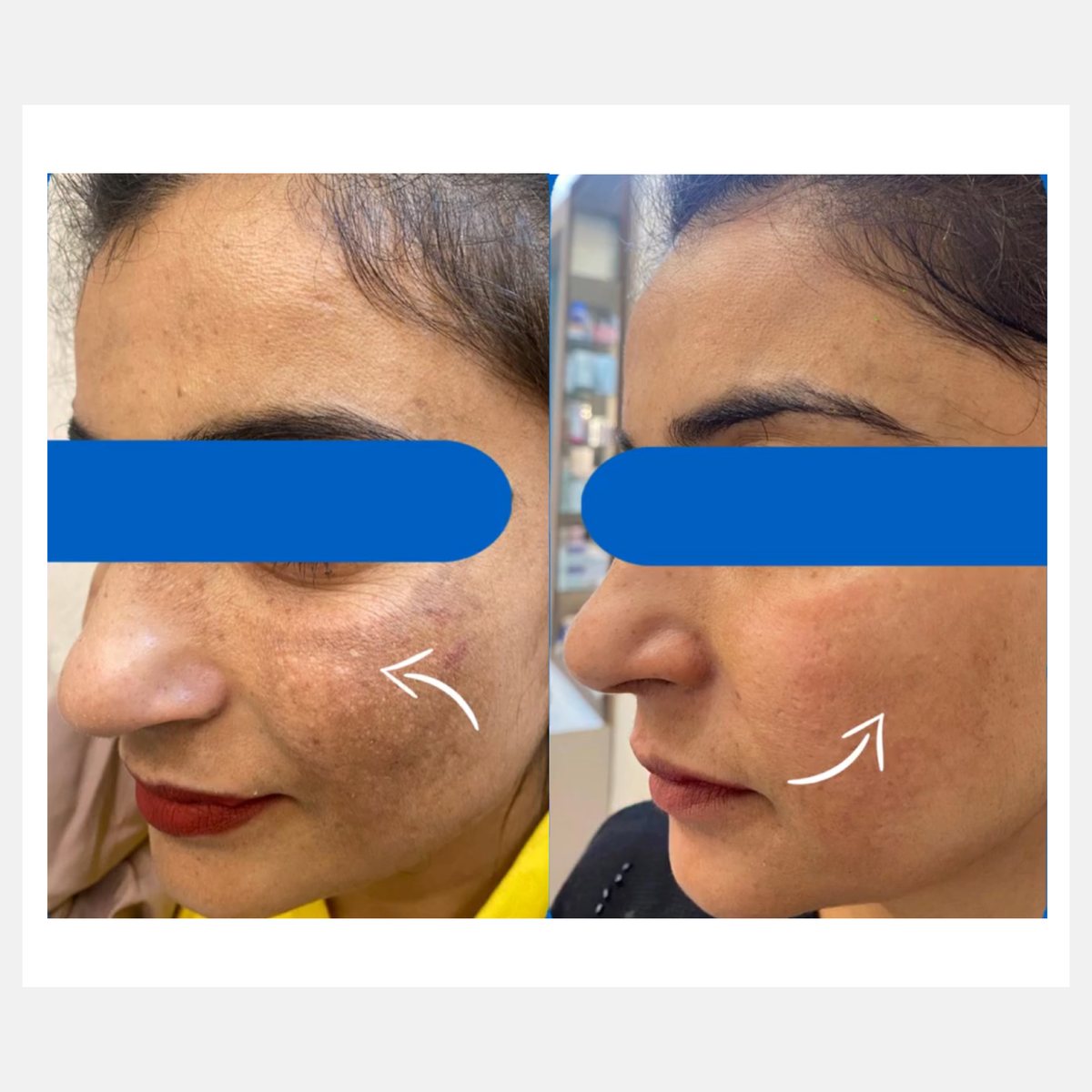
BiAxis before and after — Melasma
Melasma
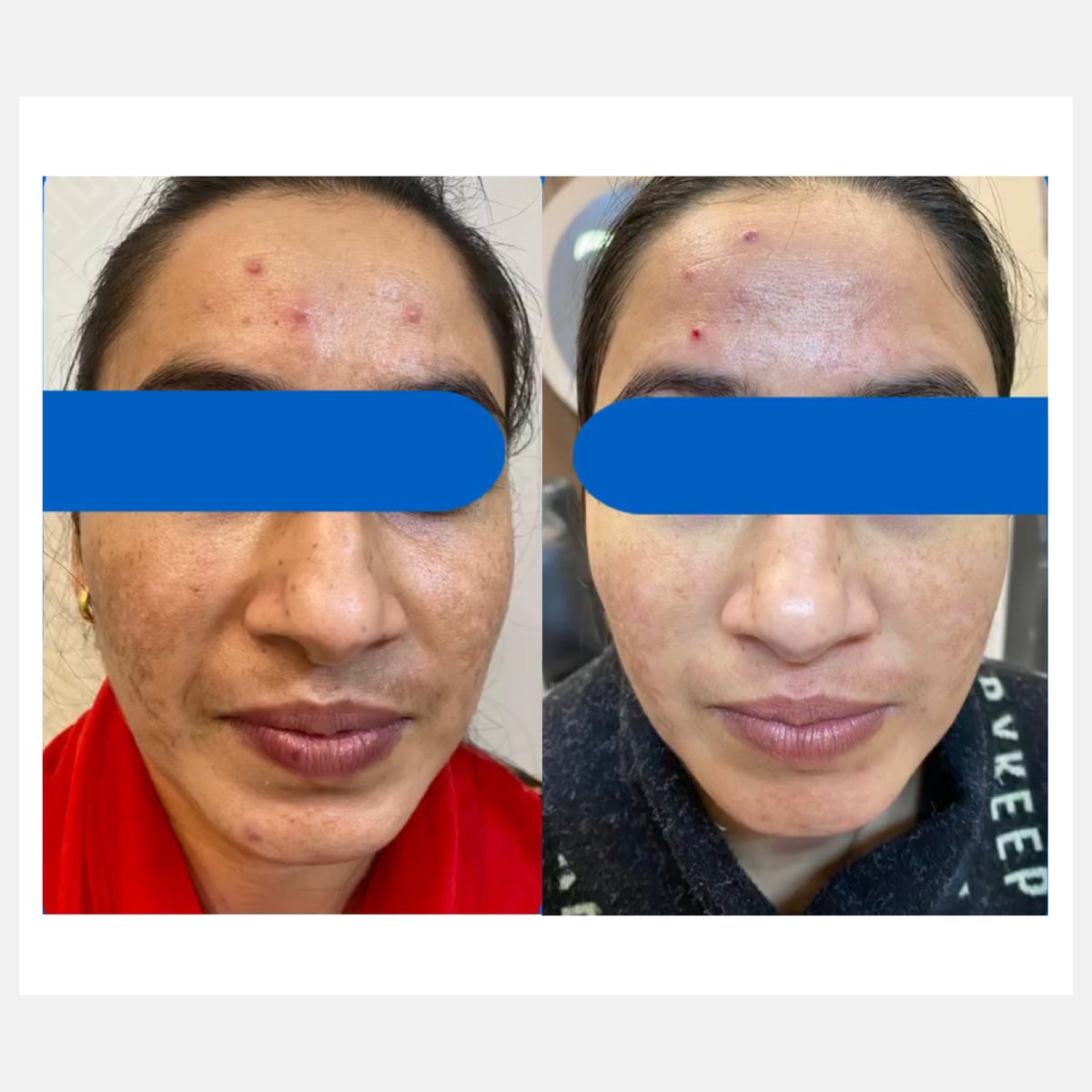
BiAxis before and after — Melasma
Melasma
BiAxis before and after — Melasma
Melasma
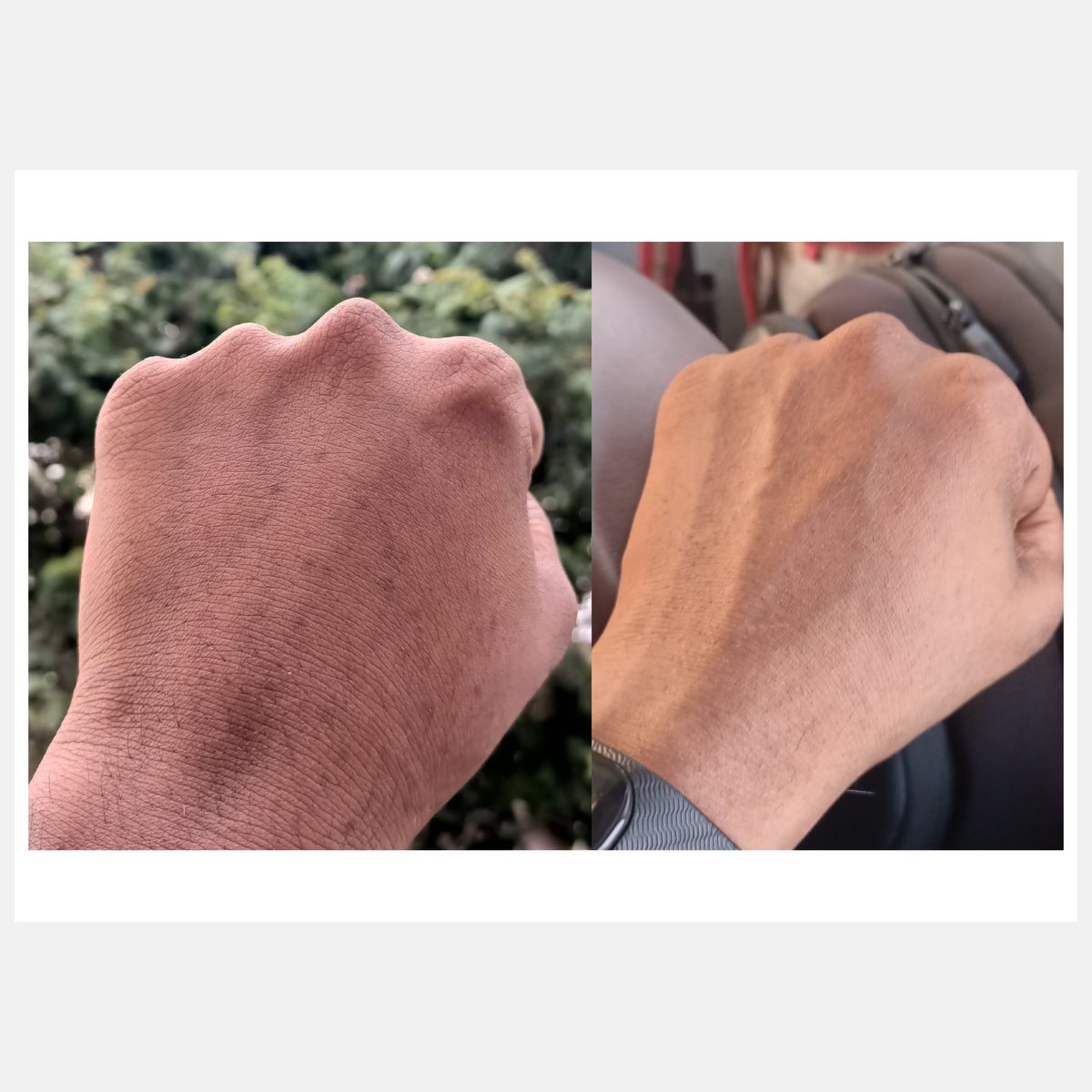
BiAxis before and after — Pigmentation
Pigmentation
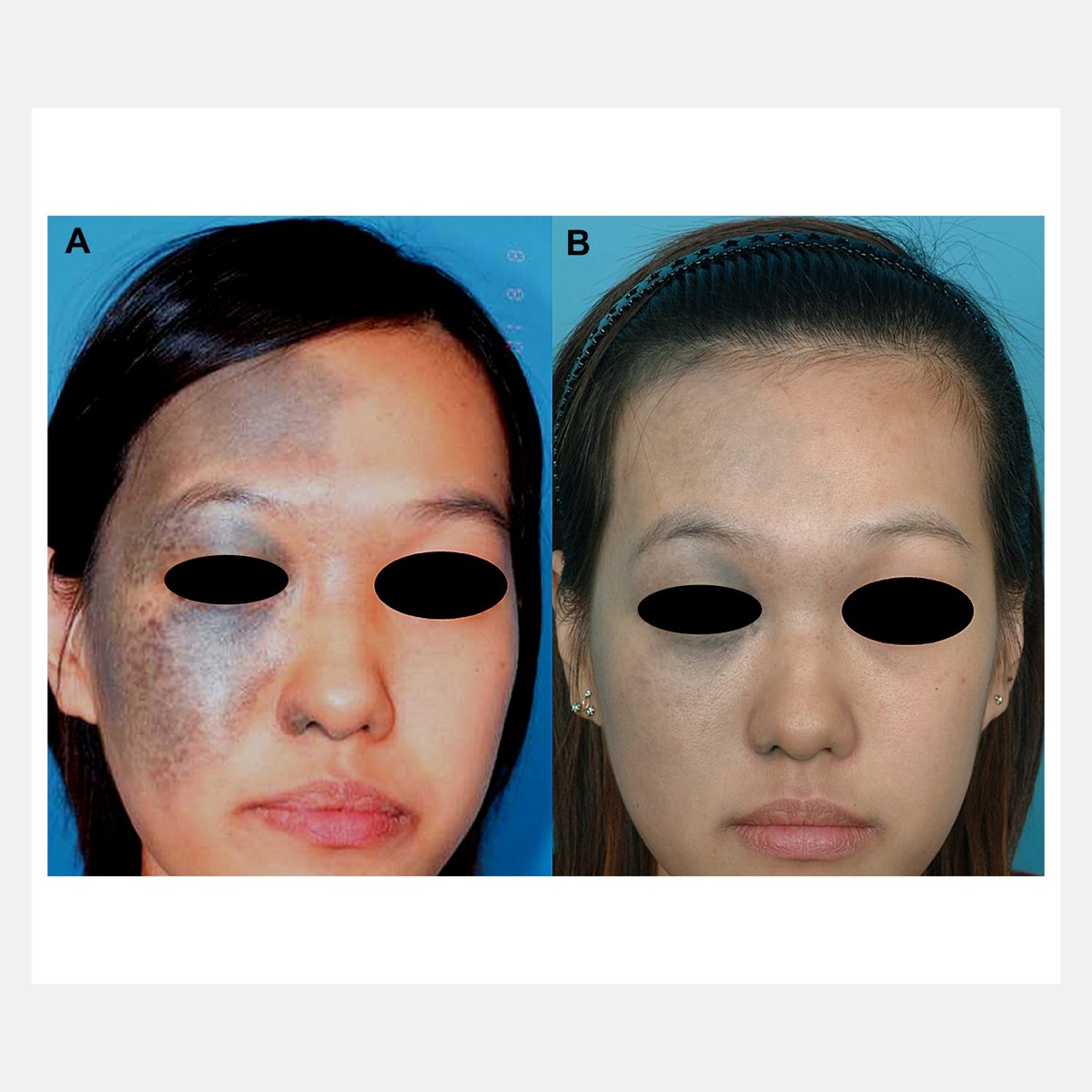
BiAxis before and after — Nevus of Ota
Nevus of Ota
BiAxis before and after — Nevus of Ota
Nevus of Ota
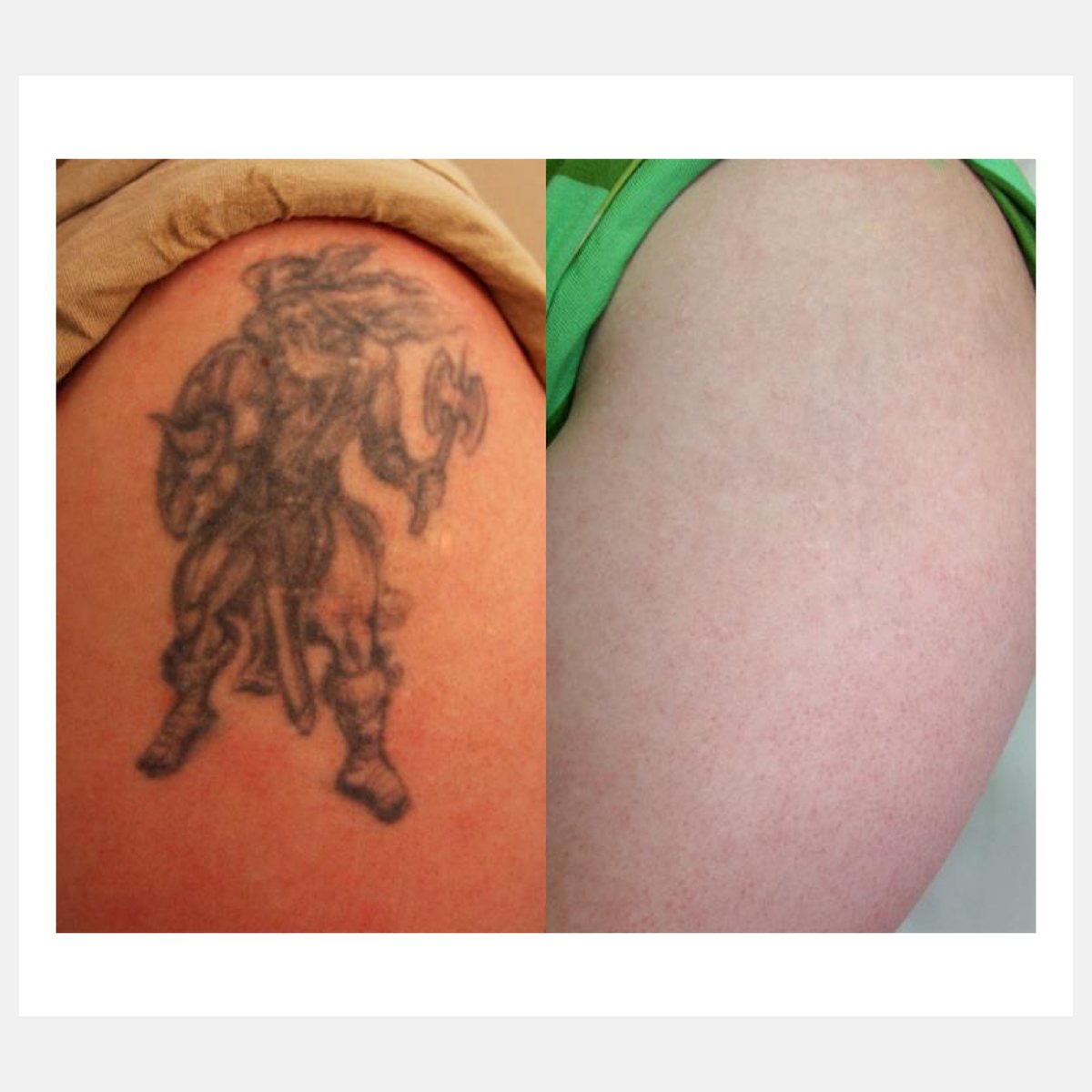
BiAxis before and after — Tattoo Removal
Tattoo Removal
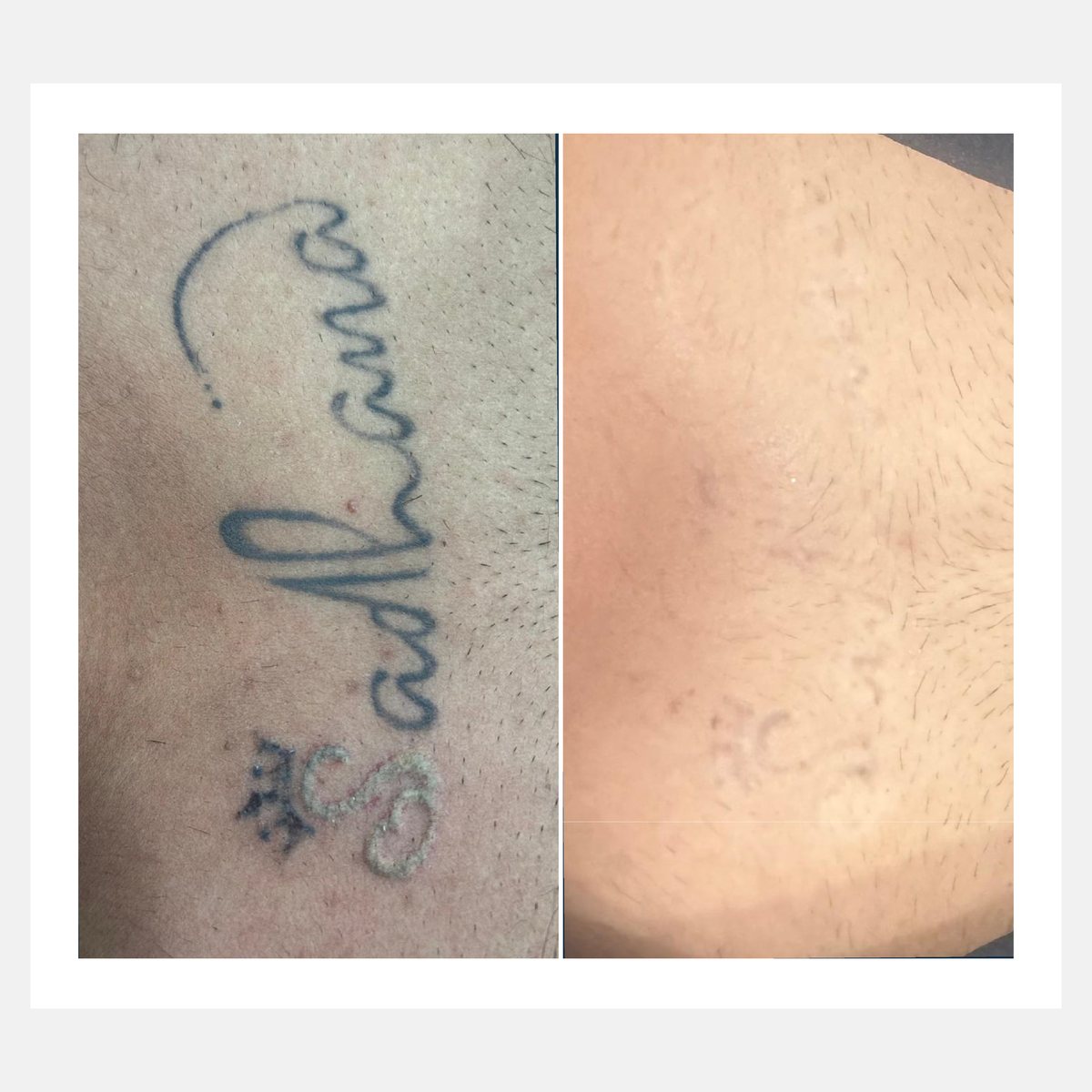
BiAxis before and after — Tattoo Removal
Tattoo Removal
BiAxis before and after — Tattoo Removal
Tattoo Removal
BiAxis before and after — Birthmark
Birthmark
BiAxis before and after — LPP
Lichen Planus Pigmentosus

Each photo shows the patient before (left) and after (right) treatment. Images are for illustration; individual results may vary.